





Heart failure affects more than 6 million Americans, and it is estimated that 8 million people will be living with heart failure by 2030.
Heart failure is a progressive illness in which the heart—the pump of the body, this machine on loan to us for our time on earth—weakens and is no longer able to deliver enough blood and oxygen to the organs that need it.
For many people, symptoms such as shortness of breath, fatigue, appetite changes, and fluid buildup in the legs, abdomen, or lungs can lead to hospitalizations. In 2025, heart failure was the leading hospital discharge diagnosis, with more than 1.2 million hospital encounters.
Because so many people live with heart failure, we sometimes underestimate the seriousness of this disease. In reality, the prognosis is worse than that of many cancers, with about a 20% risk of death in the first year after diagnosis and up to a 75% mortality rate at five years for those hospitalized with heart failure symptoms.
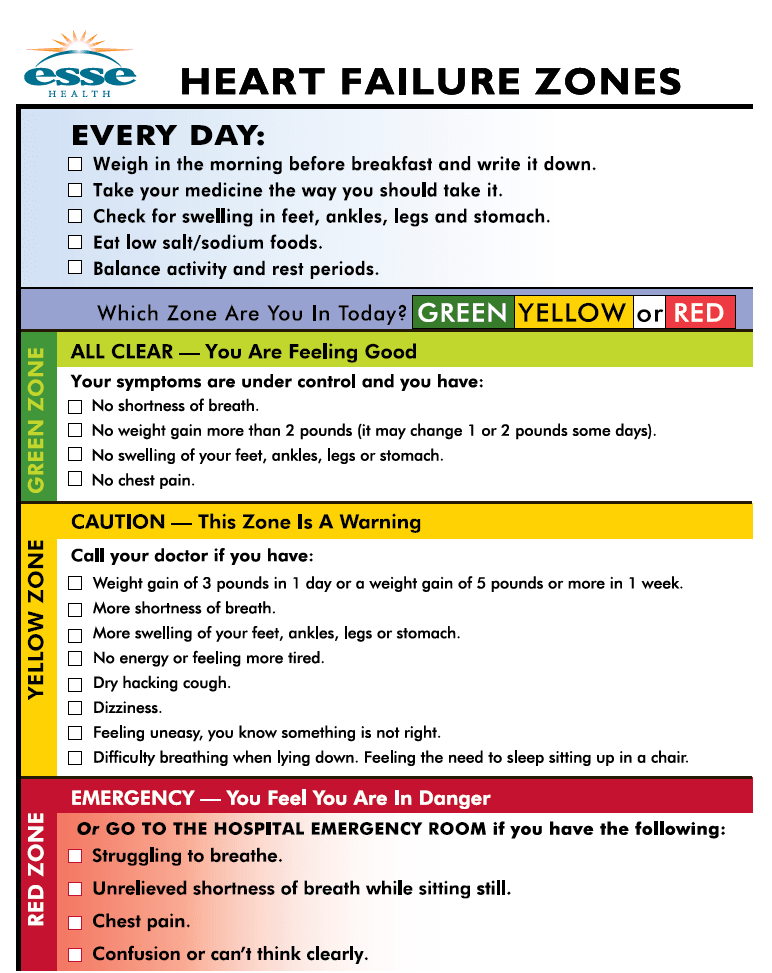
If you have heart failure, there are things you can do to help reduce symptoms and live as long and as well as possible. Following a heart failure action plan — knowing what symptoms to watch for and when to call your doctor—can help address problems early and often allows treatment to happen where you most want to be: at home.
Staying active also matters. Even a 15-minute walk after dinner can make a difference. During colder months, consider walking around your home during commercial breaks—not for chores, eating, or errands, but intentionally for activity. Purposeful movement supports heart health.
And remember: heart failure is a chronic, progressive disease. It is not curable, and worsening symptoms are not a personal failure.
This reality makes advance care planning especially important — identifying who knows you best, who will answer the phone when your care team calls, and having conversations with loved ones about what matters most to you. These discussions help ensure future decisions align with your goals.
Your Esse primary care doctor is a trusted partner and resource, helping guide medical decisions in and out of the hospital so you can live as well as possible, in the place you most want to be.
Written by Dr. Michelle Goetz